Материал: 1989
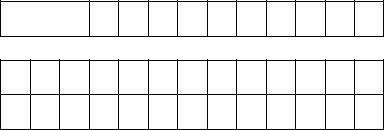
Letter
11 12 13 14 15 16 17 18 19 20 21 22 23
b) basing on the found correspondence of numbers and letters:
1)9∙11∙4∙6∙16∙11∙6∙4
2)1∙19∙5∙5∙6∙11∙4
3)20∙9∙8∙9∙4∙3∙10
4)1∙19∙11∙11∙6∙1∙4
5)3∙1∙1∙6∙7∙7
6)19∙11∙10∙9∙11∙6
7)7∙1∙16∙6∙6∙11
8)14∙10∙19∙8
9)7∙9∙4∙6
10)2∙19∙7∙4
11)20∙6∙23∙9∙1∙6
12)7∙22∙11∙20∙9∙1∙3∙4∙6
REFERENCE
RENDERING THE ARTICLE (TEXT)
1. The headline of the article (text), the title of the newspaper or the magazine, the date of publication, the author.
The title (the headline) of the article |
|
Заголовок статьи … |
|
|||
is … The article is entitled … |
|
Статья называется … |
|
|||
|
|
|
|
|
||
The title of the newspaper is … |
|
Название газеты … |
|
|||
|
|
|
|
|||
The article under the title … was |
|
Статья под заголовком … была |
||||
published in … (the title of the |
|
напечатана в … (название газеты) |
||||
newspaper) № … on… (date) |
|
№ …, … (дата) |
|
|||
|
|
|
|
|
|
|
The author is …, the correspondent |
|
Автор |
– …, |
корреспондент … |
||
of … |
|
(издание). |
|
|
||
|
|
|
|
|||
The article is written by … |
|
Статья написана … (фамилия). |
||||
|
|
|
|
|||
It is published especially for … |
|
Она напечатана специально для… |
||||
|
|
|
|
|
|
|
2. Main topic (idea). |
|
|
|
|
|
|
|
|
|
|
|||
The article consists of an |
|
Статья состоит из введения и трех |
||||
introduction and three parts. |
|
частей. |
|
|
|
|
The main idea of the article is … |
|
Основная идея статьи … |
||||
|
|
|
|
|
||
The article is devoted to the problem |
|
Статья |
посвящена проблеме … |
|||
of … |
|
(чего) |
|
|
|
|
It touches upon … |
|
Она затрагивает (касается) … |
||||
|
|
|
|
|||
It tells the readers about … |
|
Она рассказывает читателям о … |
||||
|
|
|
|
|||
The subject of the article is … |
|
Тема статьи (предмет описания)… |
||||
|
|
|
|
|
|
|
The author gives us some |
|
Автор |
дает |
нам |
некоторую |
|
information about … |
|
информацию о … |
|
|||
The author discusses an important |
|
Автор |
обсуждает |
важную |
||
problem of … |
|
проблему … (чего) |
|
|||
3. Main contents. |
|
|
|
|
|
|
|
|
|
||||
The author emphasizes the fact that… |
|
Автор подчеркивает, что … |
||||
|
|
|
|
|
|
|
He believes (reports, points out) |
Он верит (сообщает), что … |
that … |
|
|
|
He analyses how … |
Он анализирует, как … |
|
|
He examines why … |
Он исследует, почему … |
|
|
It’s necessary (important, interesting) |
Необходимо (важно, интересно) |
to note (to report) that … |
отметить (сообщить), что … |
|
|
The first part is devoted to … |
Первая часть посвящена … |
|
|
The second part is about … |
Во второй части говорится о … |
|
|
In the last part the author describes… |
В последней части автор |
|
описывает … |
Further he says … |
Далее он говорит … |
|
|
He mentions … |
Он упоминает … |
|
|
According to the author … |
По мнению автора … |
|
|
He calls attention to the fact that … |
Он привлекает наше внимание к |
|
тому факту, что … |
4. Conclusions of the author.
The author comes to the conclusion |
Автор приходит к выводу, что … |
|||
that … |
|
|
|
|
|
|
|
||
In conclusion the article reads … |
|
В заключение статья сообщает … |
||
|
|
|
||
In summing up the author … |
|
В заключение автор … |
||
|
|
|||
At the end of the article the author |
В конце статьи автор подводит |
|||
sums up … |
|
|
|
итоги … |
Evaluating |
the |
situation |
the |
Оценивая ситуацию, можно |
conclusion can be drawn that … |
|
прийти к такому заключению, |
||
|
|
|
|
что … |
5. Your attitude towards the article.
The text might be interesting for … |
Текст может быть интересен |
|
для … |
|
|
The language of the article is … |
Язык статьи … |
|
|
There are a lot of special (technical, |
В тексте много специальных |
|
|
economical, architectural, chemical) |
(технических, |
экономических, |
|||
terms in the text, for example … |
архитектурных, |
|
химических) |
||
|
терминов, например … |
|
|||
As for me … |
Я считаю … |
|
|
|
|
|
|
|
|
||
To my mind … |
По моему мнению … |
|
|
||
|
|
|
|
||
We can make a conclusion that … |
Мы можем |
сделать |
заключение |
||
|
(вывод), что … |
|
|
|
|
As far as I understood … |
Насколько я понял, … |
|
|||
|
|
||||
I’d like to quote … |
Я бы хотел процитировать … |
||||
|
|
|
|
||
On reading the article we (I) realize |
Читая статью, мы |
(я) |
осознаем |
||
the fact that … |
(осознаю) тот факт, что … |
||||
In conclusion I can say … |
В заключение я могу сказать … |
||||
|
|
|
|
|
|
I find the article useful (interesting, |
Я считаю, |
что |
статья |
полезна |
|
up-to-date, disputable, informative) |
(интересна, актуальна, спорна, |
||||
because … |
информативна), потому что … |
||||
APPENDIX
ADDITIONAL TEXTS FOR READING AND RENDERING
PART I
MEDIA-SYSTEM DEPENDENCY
From http://en.wikipedia.org/wiki/Media-system_dependency
Mass media play an important part in our lives. Newspapers, radio and especially TV inform us of what is going on in this world and give us wonderful possibilities for education and entertainment. News-oriented journalism is sometimes described as the “first rough draft of history” (attributed to Phil Graham), because journalists often record important events, producing news articles on short deadlines. Mass media also influence the way we see the world and shape our views.
The main source of news for millions of people is television. People like TV news because they can see everything with their own eyes. And that’s an important advantage. Seeing, as we know is believing. Besides, it’s much more difficult for politicians to lie in front of the cameras than on the pages of newspapers.
Still, many people prefer the radio. It’s good to listen to in the car, or in the open air, or when you do something about the house.
Newspapers don’t react to events as quickly as TV, but they usually provide us with extra detail, comment and background information.
The Internet has recently become another important source of information. Its main advantage is that news appears on the screen as soon as things happen in real life and you don’t have to wait for news time on TV.
Mass media have become an essential part of life of many people. So we can speak about media-system dependency. This term, first introduced by Ball-Rokeach and DeFleur (1976), is defined as “a relationship in which the capacity of individuals to attain their goals is contingent upon the information resources of the media system.” Those information resources can be categorized as the ability to create and gather, process and disseminate information.
Early research described media-system dependency in relation to meeting information needs:
understanding the social world (i.e. currents events);
conforming to social norms (i.e. trends, pop culture);
fantasy-escape from social reality (i.e. entertainment).